
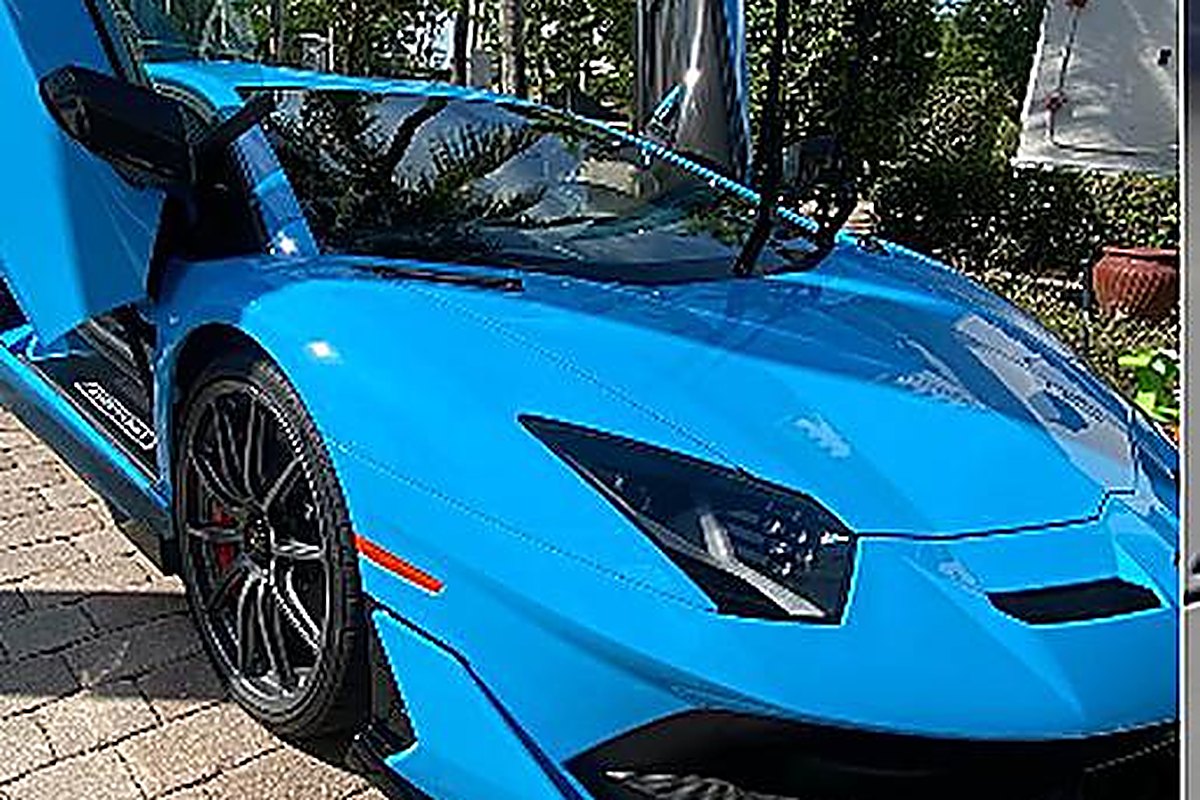
Ceramic Coating vs. Wax: What Actually Protects Your Vehicle in Florida Heat
Ceramic coating lasts 2 to 5 years and holds up far better against Florida sun and salt air than wax, which needs reapplication every 4 to 8 weeks. Wax is cheaper up front and fine for light protection, but ceramic coating is the better long-term investment for anyone keeping a car, boat, or RV in this climate.
How Each One Actually Protects Your Paint
Wax sits on top of the clear coat as a sacrificial layer, giving UV resistance and water beading until it breaks down, usually within a couple months in Florida heat. Ceramic coating chemically bonds to the clear coat itself, forming a much harder, more durable layer that resists UV, oxidation, and chemical staining from salt and pollution for years, not weeks.
Why Florida Conditions Matter Here
Intense year-round UV breaks wax down faster than it would in a milder climate, and salt air adds a layer of chemical wear that plain wax barely resists. Ceramic coating is built to handle both, which is why it holds its shine and protection so much longer here than it would somewhere with less sun and no coastal salt exposure.
Cost Comparison Over Time
Wax costs less per application, but reapplying every 1 to 2 months adds up over a year. Ceramic coating costs more upfront but needs no reapplication for 2 to 5 years, so the total cost per year of protection usually comes out lower with ceramic once you own the vehicle for more than a season.
Which One Is Right for You
If you're detailing a vehicle you plan to sell or trade within a year, wax is a reasonable, lower-cost option. If you're keeping the car, boat, or RV for the long haul, ceramic coating pays for itself in protection and in the hours you're not spending on reapplication. Ask us which option fits your vehicle and how you use it.
